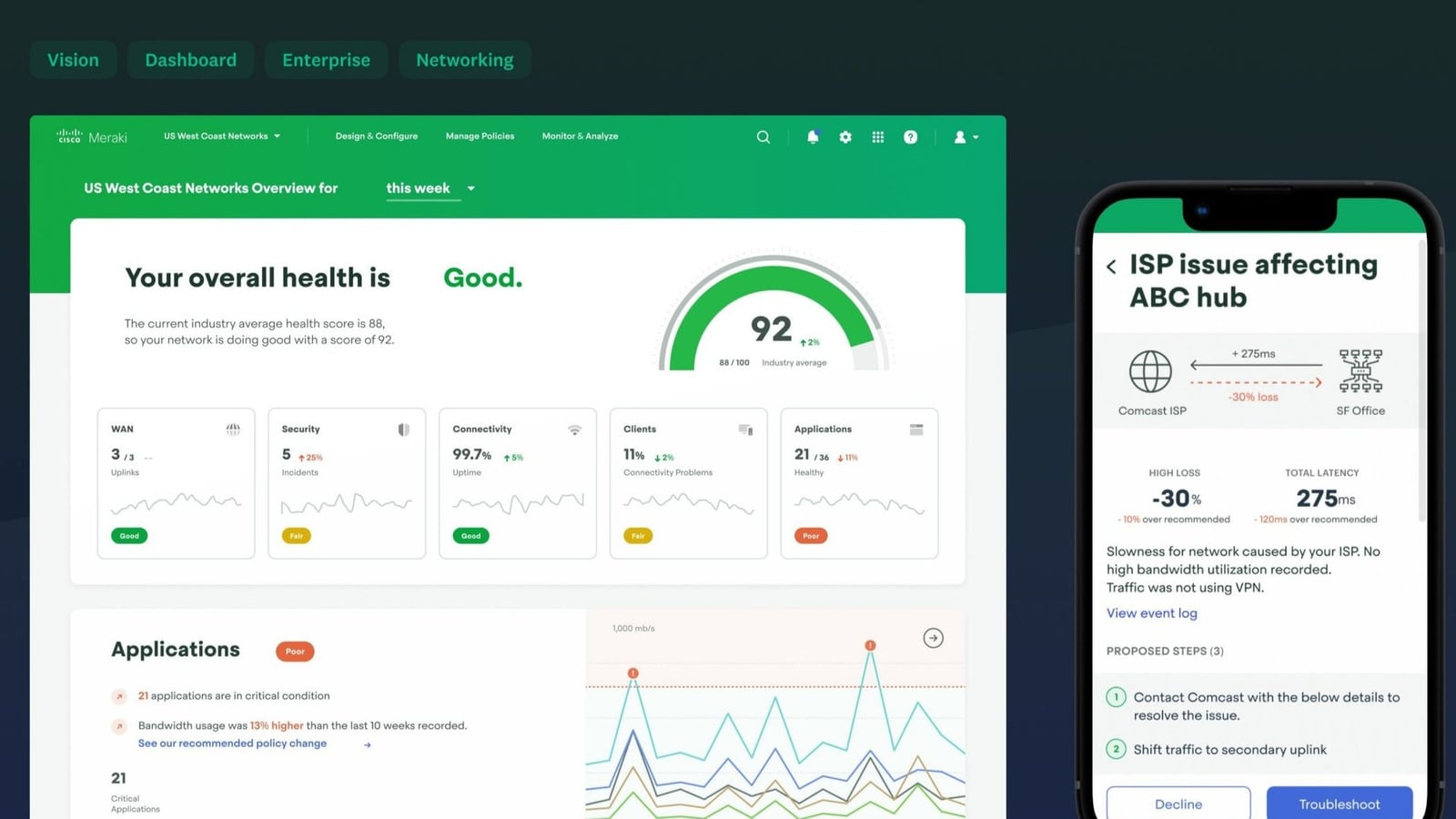
A visiontype is an interactive prototype that shows an organization's vision looking forward three to five years. It turns goals into something tangible, centered on how your customers' experience will improve. And it is one of the most reliable tools we know for getting an organization onto the same page and genuinely excited about building toward that future.
Why a visiontype
It makes the vision concrete. Companies share their visions in all kinds of ways, with mixed results. The most common vehicle is a slide deck, which can be good at explaining why the vision matters to the company but rarely shows what the product will actually be or how it will help customers. Some companies write vision documents, imagining a future press release. Some storyboard it. Some produce elaborate vision videos. We keep coming back to visiontypes because they hit the sweet spot of clear, affordable, and fast. A visual, interactive prototype leaves far less room for everyone to imagine something different, which is exactly what happens with written descriptions. And a prototype is detailed enough to force decisions. You cannot stay vague while building one.
It brings the organization together. A visiontype cannot be created in a vacuum. Not everyone has to agree on every detail, but it needs input from across the company, and the point is to break down the walls between departments so people understand why the vision matters and how they can help make it real. Two kinds of input matter most: the long view from leadership, and the practical view from the people doing the daily work. Getting those groups to build one thing together can be the hardest part of the process. It is also the most valuable. People who feel invested in the visiontype are the ones who make sure it becomes part of the company's actual future.
It compels real decisions. The deepest advantage of prototyping your vision is that it forces you to choose what you will and will not do for your customers. Strategy is mostly the discipline of deciding what not to do, and a prototype enforces that discipline mechanically. Take AI, which by now sits in nearly every company's product vision. The moment you have to show what your product does for a customer three to five years out, "AI-powered" stops being a label and becomes a set of hard choices about what it actually does and why anyone would want it. Those choices give product teams a real direction to build from, while leaving room to adjust as the world moves.
It redirects the organization's trajectory. Agile is excellent at shipping regular improvements and quietly biased toward small ones. Teams told us the same thing again and again: they stay on the path they're on, even when they can feel the ground shifting, because their whole field of vision is the next two weeks. A visiontype gives the organization a fixed point far enough out to steer by. Seeing where the product and the company could be gives leaders the confidence to make bold moves, and working backward from that point is the first concrete step in changing direction.
What makes a visiontype great
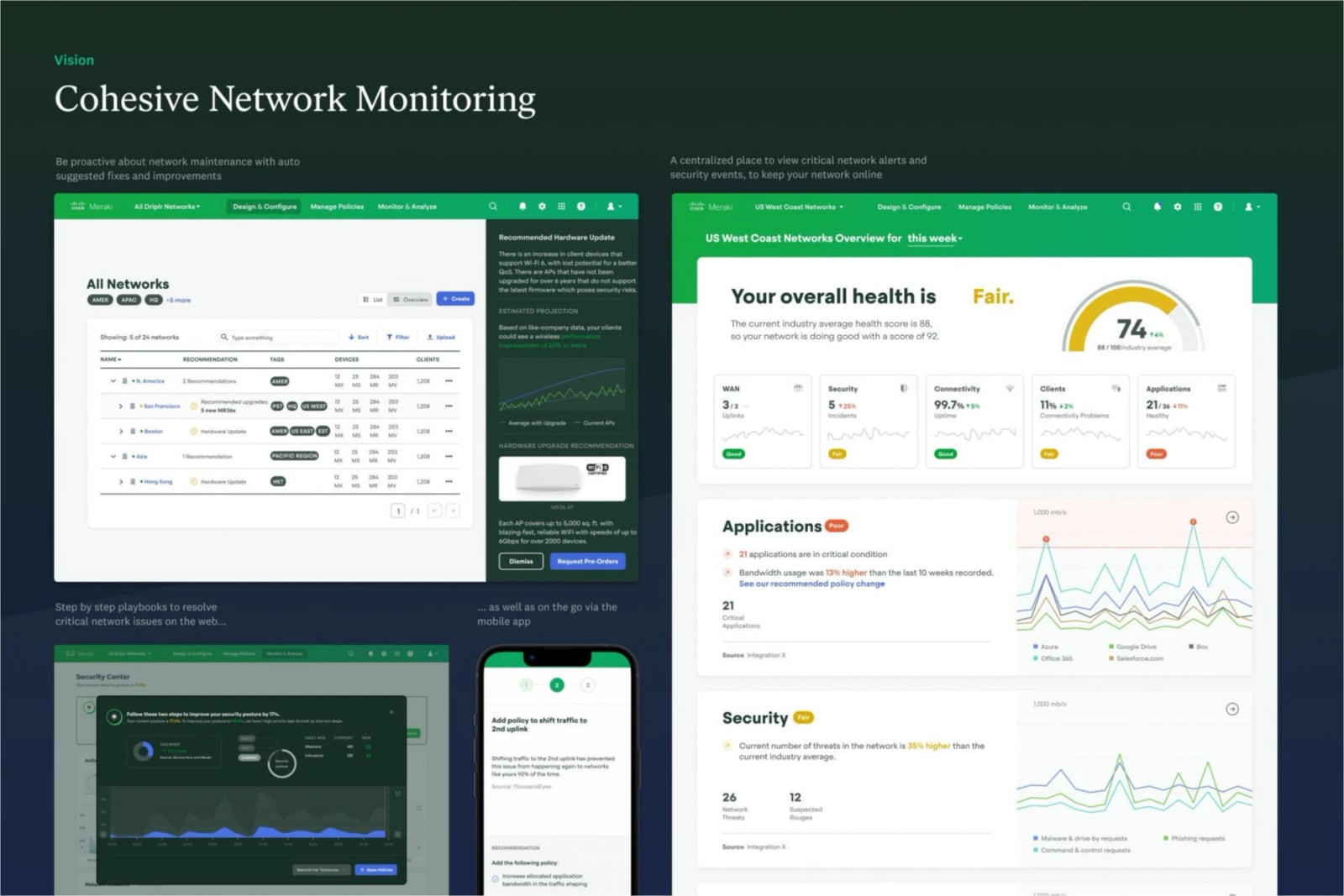
A compelling customer narrative. The visiontype expresses your company's goals, but its subject is your customer and how their life gets better. It should tell one short, powerful story that moves cleanly across your key customers and users. The temptation is to cover every scenario and include every detail. Resist it. A few important scenarios, ideally ones that answer problems customers named in interviews, will hold an audience; an exhaustive tour will lose one.
Big ideas, clearly shown. A great visiontype has a distinct point of view: broad themes carried by a handful of connected big ideas that run through the whole prototype. The prototype is a starting point, not a product. We design mostly software, so we use the strongest interfaces and interactions available to communicate the ideas, and we do not lose sleep over the prototype's usability. Clarity of vision is the job. Teams have the next several years to work out the rest.
It lives in the future. A visiontype set three to five years out has to account for the world it will exist in, and the edges of the present are where that world shows first. Customers who push your product past its limits, startups probing your industry's assumptions: the future tends to arrive there before it's evenly distributed. The aim is not to be futuristic for its own sake. A visiontype works when its future is believable enough that the audience can place themselves in it, rather than getting stuck arguing with it.
It's experiential and emotional. The people watching will spend years making this real, so the visiontype should be something they're genuinely excited to take on. It should pull them into the customer's future world and carry them through the highs and lows of that journey. It can be interactive, with the audience clicking through the prototype at the story's key moments the way a customer would, or a video that trades hands-on for intensity. The right choice depends on your organization.
The point of all this
Building a visiontype is not really about the prototype. It is about bringing your organization together, making the hard decisions, and finding the collective nerve to pursue a bold future. That investment pays off in the direction your company takes and the difference it makes in your customers' lives.
The tools for building them have changed dramatically since we started this work. For where the practice has gone now that AI can put an interactive prototype in your hands in an afternoon, read Beyond the Vibe: Why Vision Still Needs Strategy and Vibe-Coding Visiontypes: Strategy at the Speed of AI.